Metrics
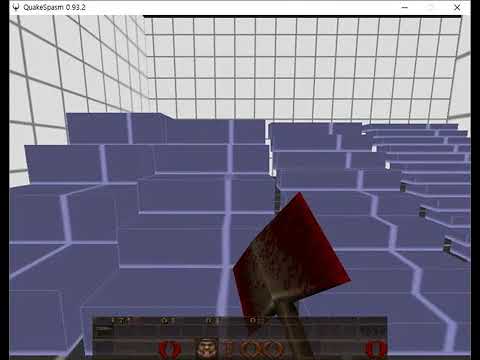
In the field of game design, it is very important to set the metrics in the actual game engine. Because it really has a huge impact on how realistic the game space where players move their characters is. Therefore, this page deals with testing how many Quake units are suitable for each situation based on the metrics in the trenchbroom engine.
Lists of metrics cases
-
How many Quake units tall and wide is your player?
A. The player has 56 Quake units tall and 32 Quake units wide.
-
How many Quake units for your narrowest path you want to use?
A. 64 Quake units
-
How wide is the standard path?
A. 160 Quake units
-
How wide are doorways?
A.64 Quake units for small room doorway and 96 Quake units for big room/hallway doorway
-
What is the height and width of standard cover?
A. 64 Quake units for height and 96 Quake units for width.
-
How tall is a standard jump up?
A. 40 Quake units.
-
How far is a standard jump forward (should feel natural and easy)
A. 96 - 128 Quake units.
-
How far is a difficult jump forward (used sparingly or never)
A. 160 or higher Quake units.
-
How tall is your stair step height?
A. 12 Quake units.
-
What is the max angle of a ramp you want to use?
A. 60°, If I place the ramp somewhere in my level, I will use this angle to limit the player's pathway.
-
How tall are ceilings in a basic hallway / room?
A. 192 Quake units tall.
-
How tall are ceilings in a confined hallway / small room?
A. 160 Quake units tall.
-
How long is a short hallway / small room?
A. Around 512 Quake units long.
-
How long is a long hallway / big room?
A. Around 768 Quake units long.
Video commentary link. (click the image below!)